
Feng Shui Consultants in Germany














Feng Shui Consultants in Germany: Harmony and Balance for Your Home
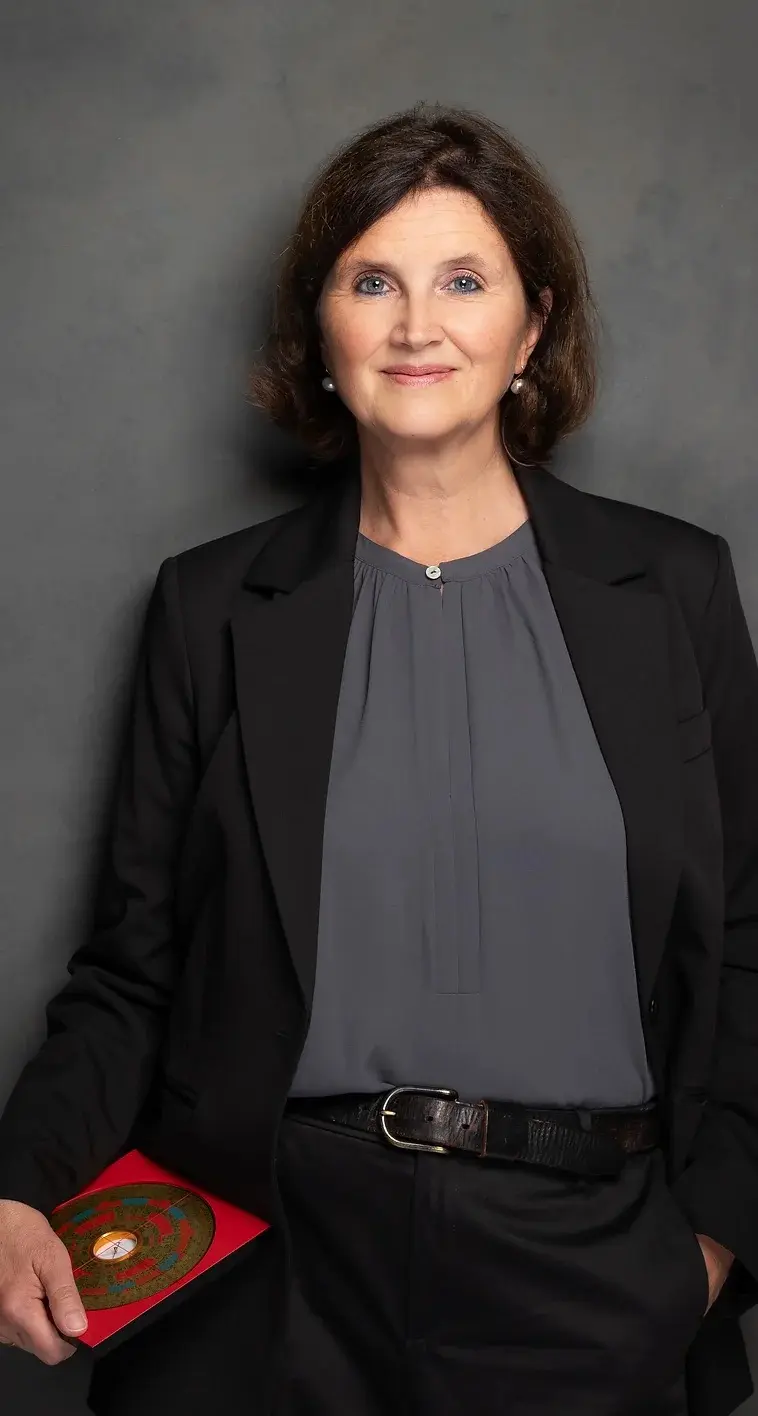
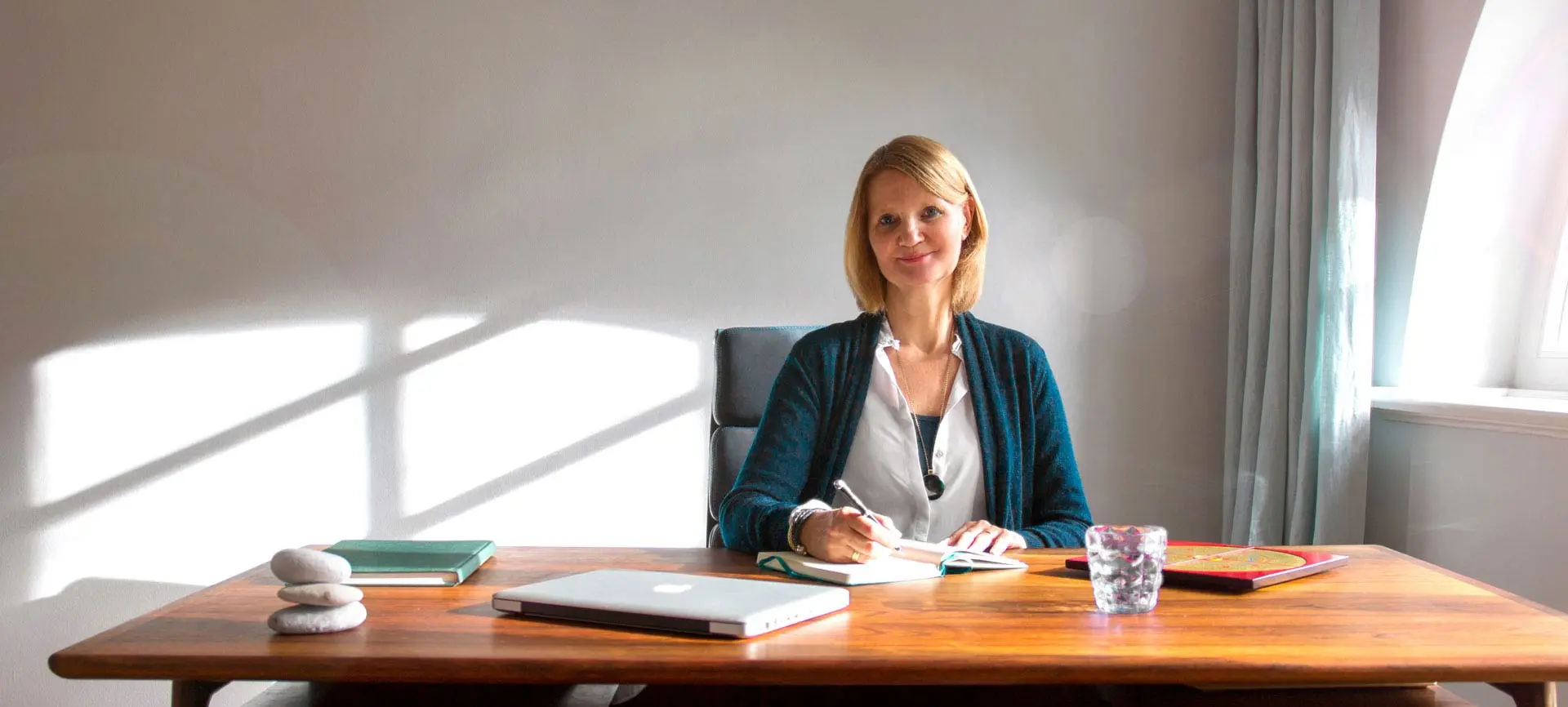
A Feng Shui consultant can help you optimise the energies in your home or office in a targeted way, thereby promoting your wellbeing, health and even your success. Feng Shui is based on the ancient Chinese teaching that the environment has a significant influence on our lives. Here you can learn how Feng Shui consultants in Germany work and how professional consultation can help you bring your living space into harmony.
How Do Feng Shui Consultants in Germany Help?
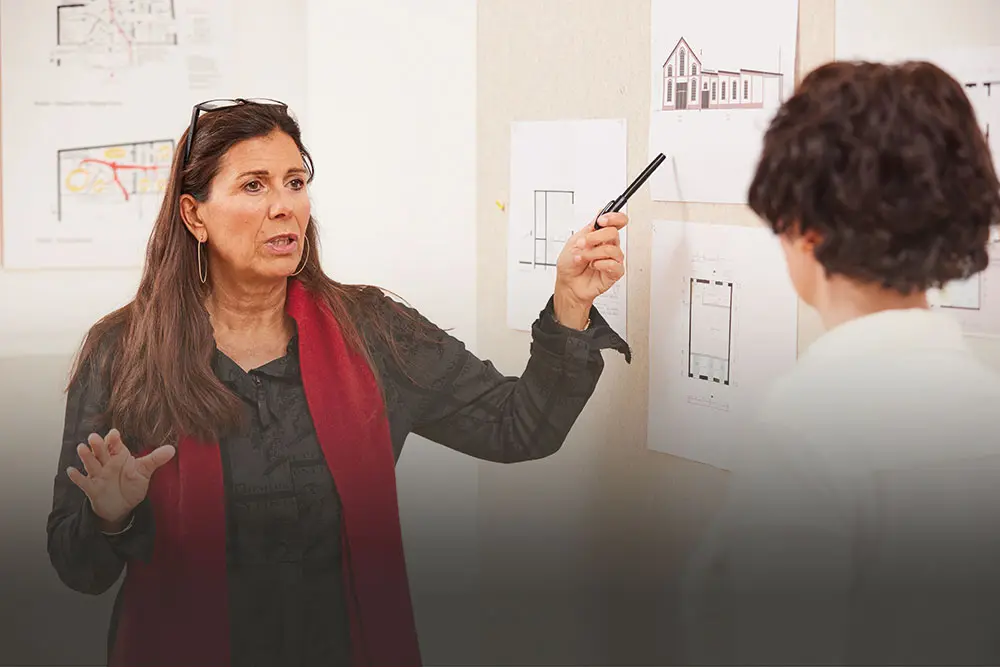
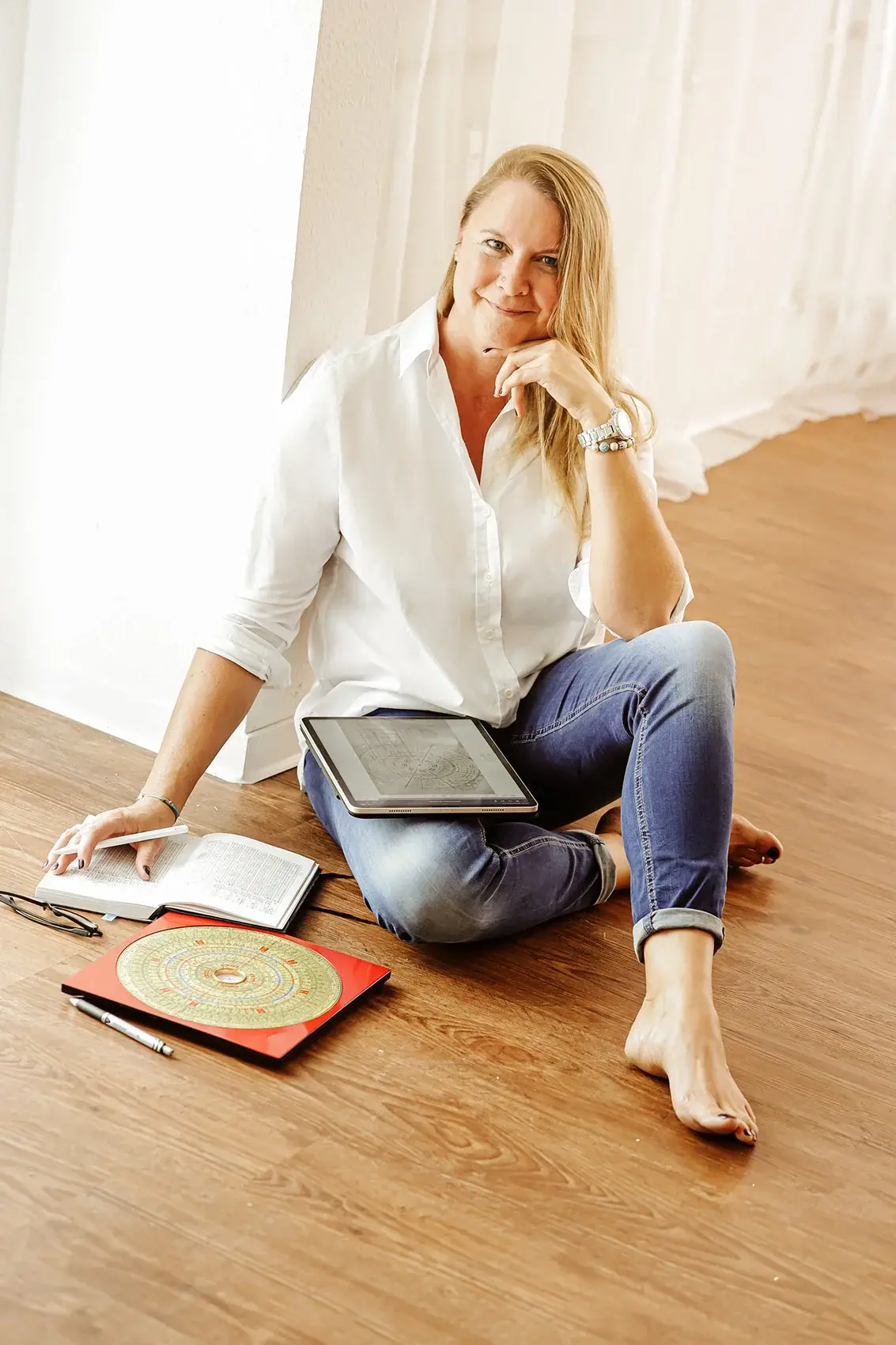
A Feng Shui consultant analyses and designs spaces so that energy – also called "Chi" – can flow freely and harmoniously. The following focal points are part of a typical consultation:
-
Energetic Space Analysis: The consultant evaluates the energetic structures in your home and uncovers areas that block the Chi. The goal is to create harmony in every area.
-
Optimisation of Room Layout and Furnishing: The consultant helps you design furniture, colours and decoration so that the rooms radiate positive and supportive energy.
-
Personally Tailored Feng Shui: Every person is unique, and Feng Shui can be individually adapted. Your consultant considers your wishes, life goals and your Kua number to create an ideal environment for you.
-
Garden and Outdoor Area Feng Shui: Feng Shui encompasses not only interior spaces. Your consultant can also optimise the garden or entrance area to direct positive energy into your home.
Why a Feng Shui Consultant?
An experienced Feng Shui consultant can show you how to create a harmonious and supportive atmosphere through targeted changes. The benefits:
-
More Quality of Life and Energy Flow: Through balanced room design, you can positively influence the energy in your home and feel more vital and balanced.
-
Promotion of Success and Prosperity: Feng Shui can not only improve the atmosphere, but also promote success in professional and personal life.
-
Individual Solutions for Your Lifestyle: A consultant develops tailored concepts that suit you and your living space to ensure long-term harmony.
Finding the Right Feng Shui Consultant in Germany
In Germany, there are many experienced Feng Shui consultants who can help you create a harmonious living and working environment. When making your selection, pay attention to reviews, qualifications and recommendations. On Sebastos you'll find qualified consultants who offer individual solutions and work with you to create a feel-good environment.
Experience the positive effects of Feng Shui and bring harmony and energy into your home or office – with the help of an experienced Feng Shui consultant throughout Germany.
You can find experienced Feng Shui consultants in many German cities and regions. Discover competent experts for harmonious room design, energetic balancing and holistic wellbeing near you. BerlinCologneHamburgMunichDortmund
Frequently Asked Questions About the Art of Feng Shui
Feng Shui is far more than a method for room design - it is a way of life that consciously directs the flow of energy in your environment. On the Sebastos portal, we approach this teaching with respect and openness. Because when your home is in balance, more peace, clarity and vitality can also arise within you. In our FAQ you'll find answers to the most common questions about Feng Shui - clearly explained, practical and with a focus on what's essential: your holistic wellbeing. Whether you've just become curious or have already gained initial experience - here you'll find inspiration, impulses and concrete knowledge that helps you transform spaces into real living spaces.
What is Feng Shui?
Feng Shui is an ancient Chinese teaching that deals with harmonising people and their environment. The term literally means wind and water and symbolically represents the flow of life energy, also called Chi. The goal of Feng Shui is to direct this energy flow in space so that it strengthens you in your daily life - physically, mentally and spiritually.
This isn't about rigid rules or esoteric dogmas, but about a deep understanding of the effect of space, form, colour and material on your wellbeing. Feng Shui views spaces as living systems that interact with you. If you feel uncomfortable, tired or unfocused in a place, this may be related to a disturbed Chi flow - and that's exactly where Feng Shui comes in.
It helps you design spaces more consciously: Where does your bed stand, how is your desk oriented, what colours surround you? All of this influences your energy balance. Often just small adjustments are enough to achieve a great effect. Feng Shui brings clarity, balance and a deeper connection to your living space.
Whether at home, in the office or in the garden - Feng Shui invites you to deal more consciously with your environment. It's not a trend, but a tool that can help you bring more harmony into your life. And this fits wonderfully with the philosophy of Sebastos: connecting body, mind and soul in harmony. You can find more about Feng Shui in our knowledge report on the subject.
Which Sleeping Direction is Optimal?
The optimal sleeping direction according to Feng Shui depends on several factors - for example your birth element, your energetic type as well as the orientation of your room. Generally speaking: the orientation of your head when sleeping influences how restful your sleep is and how well your life energy can regenerate overnight.
For many people, it's ideal to sleep with the head facing east or southeast. According to Feng Shui, these directions promote renewal, mental clarity and personal development. They are particularly suitable if you're starting new projects or seeking a fresh start. North is also frequently recommended because this direction stands for stability and inner peace - ideal for deep, grounding sleep.
What you should avoid if possible is sleeping with your head directly facing south, as this is considered energetically too active and can make your sleep restless. Also sleeping under sloping ceilings, directly under a window or with sharp furniture edges pointing towards the bed can negatively influence the energy flow.
It's worth considering your individual situation - both spatially and energetically. If you like, you can get advice on Sebastos from specialists who take your personal constitution into account. Or have your KUA number and your optimal sleeping direction calculated, which works best for you and your room.
What Does Feng Shui Mean?
Feng Shui literally means wind and water - two forces that flow freely in nature and influence life. In depth, Feng Shui stands for the art of directing these natural movements of energy (Chi) so that they support you in everyday life. It's about creating an environment that strengthens, nourishes and brings you into balance.
In Chinese thinking, everything is energy - including your home, your workplace or even a single piece of furniture. When this energy is blocked or becomes unbalanced, it can have effects on your wellbeing, your concentration or even your health. Feng Shui helps you understand these subtle interactions and influence them in a targeted way.
Feng Shui is more than just moving furniture or placing lucky charms. It's a holistic approach that addresses both external and internal processes. Because your environment always affects your mood, your decisions and your life energy. When you design your space mindfully, you also redesign your life.
So Feng Shui means not only room design, but also personal development. It invites you to look more consciously: Where does something stagnate? Where does it feel light? This way you learn to read your living space as a mirror of your inner world - and bring it into harmony step by step.
Which Sleeping Direction is the Best?
There's no universally best sleeping direction - it's individual and depends on you, your room and your current life circumstances. Nevertheless, there are some basic principles in Feng Shui that can help you find the right orientation for your bed.
If you're seeking stability and grounding, it can make sense to sleep with your head facing north. This direction stands for peace, depth and retreat - it supports regeneration and deep, restful sleep. If, on the other hand, you're in a phase of change or want to develop new ideas, orientation towards east or southeast can strengthen your creativity and joy of life.
An important aspect: your bed should be positioned so that you can see the door, but not lie directly opposite it. This gives you an energetic feeling of security. You should also ensure that there are no sharp edges, mirrors or heavy shelves above the bed - all of this can disturb the energy flow and lead to restlessness.
It's best to test different directions over several nights. Observe how well you sleep, how you feel in the morning, whether you perhaps dream more clearly or wake up more relaxed. Feng Shui invites you to listen to your own feelings. This way you'll find the sleeping direction that's best for you.
How Can I Bring More Harmony into My Home with Feng Shui?
The first step is quite simple: create space. In Feng Shui, order is paramount, because stagnating energy collects especially where chaos reigns - whether in overfilled drawers, unused corners or unloved objects. Declutter what you no longer need and create space for new things.
After that, you can specifically look at areas of your home according to the Bagua teaching - a kind of energetic room map that assigns a place in the house to each area of life, such as partnership, health or wealth. An expert can help you apply this map to your home. This way you can specifically strengthen your relationship, promote your creativity or activate your career energy.
Colours, shapes and materials also play a major role. Wood has an activating effect, metal a clarifying one, water a calming one. When you use these elements consciously - for example through plants, gentle light or natural materials - more harmony automatically emerges.
What's important: it's not about implementing everything perfectly, but about creating noticeably beneficial changes. Feng Shui should be easy and bring joy. If you relax in the room, feel inspired and settle down better, then you're on the right path.
What Role Do Colours Play in Feng Shui?
Colours in Feng Shui are much more than decoration - they work directly on your energy system. Each colour represents an element and a specific quality: red for fire and passion, green for wood and growth, blue for water and peace, yellow for earth and stability, white for metal and clarity.
If you want to harmonise your home, you can set targeted accents with colours. Do you want more warmth and joy of life? Then integrate warm tones like orange or terracotta in the living area. Do you long for clarity and structure in the study? Then light, neutral tones like white or light grey help.
At the same time, it's important to listen to your feelings. Not every colour affects every person the same way. Perhaps a gentle green gives you more peace than a deep blue - then that's exactly the right choice for you. Feng Shui combines clear principles with individual perception.
A small tip: too many different colours in a confined space can disturb the energy flow. It's better to work with harmonious transitions and natural materials. This creates a room climate that supports you - unobtrusive and beneficial.
Can Feng Shui Strengthen My Mental and Emotional Balance?
Absolutely. Feng Shui works not only on physical space, but also on your inner experience. When you live in an environment that is clear, ordered and harmonious, this is also reflected in your mental state. You become calmer, more focused and often more emotionally balanced.
A restless environment - such as too many things, harsh colours, poor lighting - can unconsciously trigger stress. This burdens not only your body, but also your thoughts. Feng Shui helps you recognise and resolve exactly these disruptive factors. You thereby design not only spaces, but also your emotional reality.
Targeted placements in the Bagua field can also support emotional themes. For example, you can work with calming elements in the health area, while gentle lighting and warm colours in the partnership area promote connection.
Feng Shui doesn't replace therapy - but it's a powerful tool for self-regulation. It brings you back into contact with yourself and creates a protected space where you can breathe freely. Especially in hectic times, this is a gift that goes far beyond furnishing.
Do I Have to Completely Redesign My Home to Apply Feng Shui?
No, not at all. Feng Shui isn't an all-or-nothing principle, but an invitation to conscious change - step by step. You don't need to replace your furniture or turn your home upside down to experience noticeable effects. Often just small measures are enough to improve the energy flow.
For example, moving a shelf, clearing a corner or removing a disturbing object can achieve a lot. Targeted colour choice, placing a plant or opening curtains at the right time of day also brings movement into the Chi.
What's most important is that you develop a feeling for what does you good. If a room suddenly feels lighter, you sleep better or become more creative, you've probably set the right impulse. You don't need a big investment for this - but mindfulness, curiosity and some courage to change.
Feng Shui isn't a rigid system, but alive - just like you. And that's exactly why it fits so well with the holistic orientation of Sebastos: it connects external spaces with your inner growth.
{"@context": "https://schema.org", "@type": "FAQPage","name": "Frequently Asked Questions About the Art of Feng Shui","mainEntity":[{ "@type": "Question", "name": "What is Feng Shui?", "acceptedAnswer": { "@type": "Answer", "text":"Feng Shui is an ancient Chinese teaching that deals with harmonising people and their environment. The term literally means wind and water and symbolically represents the flow of life energy, also called Chi. The goal of Feng Shui is to direct this energy flow in space so that it strengthens you in your daily life - physically, mentally and spiritually.This isn't about rigid rules or esoteric dogmas, but about a deep understanding of the effect of space, form, colour and material on your wellbeing. Feng Shui views spaces as living systems that interact with you. If you feel uncomfortable, tired or unfocused in a place, this may be related to a disturbed Chi flow - and that's exactly where Feng Shui comes in.It helps you design spaces more consciously: Where does your bed stand, how is your desk oriented, what colours surround you? All of this influences your energy balance. Often just small adjustments are enough to achieve a great effect. Feng Shui brings clarity, balance and a deeper connection to your living space.Whether at home, in the office or in the garden - Feng Shui invites you to deal more consciously with your environment. It's not a trend, but a tool that can help you bring more harmony into your life. And this fits wonderfully with the philosophy of Sebastos: connecting body, mind and soul in harmony. You can find more about Feng Shui in our knowledge report on the subject." }}, { "@type": "Question", "name": "Which sleeping direction is optimal?", "acceptedAnswer": { "@type": "Answer", "text":"The optimal sleeping direction according to Feng Shui depends on several factors - for example your birth element, your energetic type as well as the orientation of your room. Generally speaking: the orientation of your head when sleeping influences how restful your sleep is and how well your life energy can regenerate overnight.For many people, it's ideal to sleep with the head facing east or southeast. According to Feng Shui, these directions promote renewal, mental clarity and personal development. They are particularly suitable if you're starting new projects or seeking a fresh start. North is also frequently recommended because this direction stands for stability and inner peace - ideal for deep, grounding sleep.What you should avoid if possible is sleeping with your head directly facing south, as this is considered energetically too active and can make your sleep restless. Also sleeping under sloping ceilings, directly under a window or with sharp furniture edges pointing towards the bed can negatively influence the energy flow.It's worth considering your individual situation - both spatially and energetically. If you like, you can get advice on Sebastos from specialists who take your personal constitution into account. Or have your KUA number and your optimal sleeping direction calculated, which works best for you and your room." }}, { "@type": "Question", "name": "What does Feng Shui mean?", "acceptedAnswer": { "@type": "Answer", "text":"Feng Shui literally means wind and water - two forces that flow freely in nature and influence life. In depth, Feng Shui stands for the art of directing these natural movements of energy (Chi) so that they support you in everyday life. It's about creating an environment that strengthens, nourishes and brings you into balance.In Chinese thinking, everything is energy - including your home, your workplace or even a single piece of furniture. When this energy is blocked or becomes unbalanced, it can have effects on your wellbeing, your concentration or even your health. Feng Shui helps you understand these subtle interactions and influence them in a targeted way.Feng Shui is more than just moving furniture or placing lucky charms. It's a holistic approach that addresses both external and internal processes. Because your environment always affects your mood, your decisions and your life energy. When you design your space mindfully, you also redesign your life.So Feng Shui means not only room design, but also personal development. It invites you to look more consciously: Where does something stagnate? Where does it feel light? This way you learn to read your living space as a mirror of your inner world - and bring it into harmony step by step." }}, { "@type": "Question", "name": "Which sleeping direction is the best?", "acceptedAnswer": { "@type": "Answer", "text":"There's no universally best sleeping direction - it's individual and depends on you, your room and your current life circumstances. Nevertheless, there are some basic principles in Feng Shui that can help you find the right orientation for your bed.If you're seeking stability and grounding, it can make sense to sleep with your head facing north. This direction stands for peace, depth and retreat - it supports regeneration and deep, restful sleep. If, on the other hand, you're in a phase of change or want to develop new ideas, orientation towards east or southeast can strengthen your creativity and joy of life.An important aspect: your bed should be positioned so that you can see the door, but not lie directly opposite it. This gives you an energetic feeling of security. You should also ensure that there are no sharp edges, mirrors or heavy shelves above the bed - all of this can disturb the energy flow and lead to restlessness.It's best to test different directions over several nights. Observe how well you sleep, how you feel in the morning, whether you perhaps dream more clearly or wake up more relaxed. Feng Shui invites you to listen to your own feelings. This way you'll find the sleeping direction that's best for you." }}, { "@type": "Question", "name": "How can I bring more harmony into my home with Feng Shui?", "acceptedAnswer": { "@type": "Answer", "text":"The first step is quite simple: create space. In Feng Shui, order is paramount, because stagnating energy collects especially where chaos reigns - whether in overfilled drawers, unused corners or unloved objects. Declutter what you no longer need and create space for new things.After that, you can specifically look at areas of your home according to the Bagua teaching - a kind of energetic room map that assigns a place in the house to each area of life, such as partnership, health or wealth. An expert can help you apply this map to your home. This way you can specifically strengthen your relationship, promote your creativity or activate your career energy.Colours, shapes and materials also play a major role. Wood has an activating effect, metal a clarifying one, water a calming one. When you use these elements consciously - for example through plants, gentle light or natural materials - more harmony automatically emerges.What's important: it's not about implementing everything perfectly, but about creating noticeably beneficial changes. Feng Shui should be easy and bring joy. If you relax in the room, feel inspired and settle down better, then you're on the right path." }}, { "@type": "Question", "name": "What role do colours play in Feng Shui?", "acceptedAnswer": { "@type": "Answer", "text":"Colours in Feng Shui are much more than decoration - they work directly on your energy system. Each colour represents an element and a specific quality: red for fire and passion, green for wood and growth, blue for water and peace, yellow for earth and stability, white for metal and clarity.If you want to harmonise your home, you can set targeted accents with colours. Do you want more warmth and joy of life? Then integrate warm tones like orange or terracotta in the living area. Do you long for clarity and structure in the study? Then light, neutral tones like white or light grey help.At the same time, it's important to listen to your feelings. Not every colour affects every person the same way. Perhaps a gentle green gives you more peace than a deep blue - then that's exactly the right choice for you. Feng Shui combines clear principles with individual perception.A small tip: too many different colours in a confined space can disturb the energy flow. It's better to work with harmonious transitions and natural materials. This creates a room climate that supports you - unobtrusive and beneficial." }}, { "@type": "Question", "name": "Can Feng Shui strengthen my mental and emotional balance?", "acceptedAnswer": { "@type": "Answer", "text":"Absolutely. Feng Shui works not only on physical space, but also on your inner experience. When you live in an environment that is clear, ordered and harmonious, this is also reflected in your mental state. You become calmer, more focused and often more emotionally balanced.A restless environment - such as too many things, harsh colours, poor lighting - can unconsciously trigger stress. This burdens not only your body, but also your thoughts. Feng Shui helps you recognise and resolve exactly these disruptive factors. You thereby design not only spaces, but also your emotional reality.Targeted placements in the Bagua field can also support emotional themes. For example, you can work with calming elements in the health area, while gentle lighting and warm colours in the partnership area promote connection.Feng Shui doesn't replace therapy - but it's a powerful tool for self-regulation. It brings you back into contact with yourself and creates a protected space where you can breathe freely. Especially in hectic times, this is a gift that goes far beyond furnishing." }}, { "@type": "Question", "name": "Do I have to completely redesign my home to apply Feng Shui?", "acceptedAnswer": { "@type": "Answer", "text":"No, not at all. Feng Shui isn't an all-or-nothing principle, but an invitation to conscious change - step by step. You don't need to replace your furniture or turn your home upside down to experience noticeable effects. Often just small measures are enough to improve the energy flow.For example, moving a shelf, clearing a corner or removing a disturbing object can achieve a lot. Targeted colour choice, placing a plant or opening curtains at the right time of day also brings movement into the Chi.What's most important is that you develop a feeling for what does you good. If a room suddenly feels lighter, you sleep better or become more creative, you've probably set the right impulse. You don't need a big investment for this - but mindfulness, curiosity and some courage to change.Feng Shui isn't a rigid system, but alive - just like you. And that's exactly why it fits so well with the holistic orientation of Sebastos: it connects external spaces with your inner growth." }} ] }